
Table of Contents
- Why Vehicle Reliability Matters in Mobile Healthcare
- Fleet Vehicle Safety Inspection Checklist for Medical Operations
- Preventative Maintenance for Commercial Vehicles in Healthcare
- Compliance and Regulatory Standards for Medical Vehicles
- Reducing Operational Costs for Medical Fleets
- Power Management and Telemedicine Connectivity
- Driver Training for Specialized Medical Vehicles
- Keeping Your Mobile Healthcare Fleet Mission-Ready
- Frequently Asked Questions
Last Updated: September 28, 2026
Why Vehicle Reliability Matters in Mobile Healthcare
Vehicle reliability is the backbone of mobile healthcare operations. When a mobile health clinic breaks down, patient care stops. Advance Automotive understands that keeping vehicles safe dependable maintains continuity of care.
Mobile healthcare vehicles carry diagnostic equipment, medical supplies, and sometimes patients. A single mechanical failure can cancel appointments, delay screenings, and disrupt outreach programs.
Fleet Vehicle Safety Inspection Checklist for Medical Operations
A comprehensive fleet vehicle safety inspection checklist catches problems before they become emergencies.
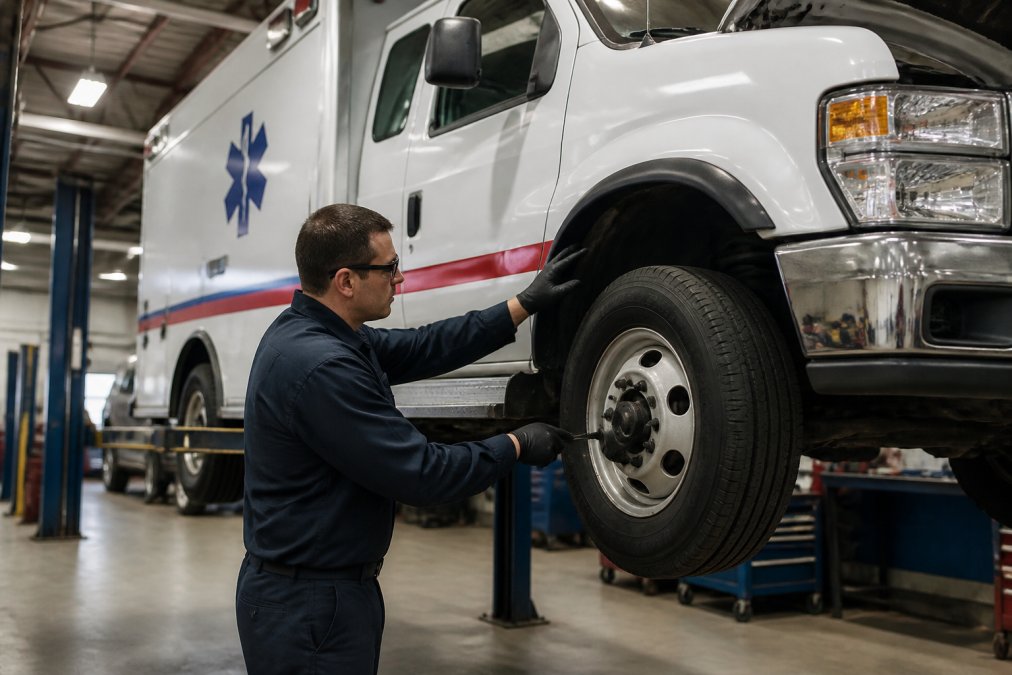
Start with a monthly visual walkthrough:
- Check tire tread depth and pressure
- Inspect brake pads and rotors for wear
- Test all lights (headlights, brake lights, turn signals)
- Look for fluid leaks under the vehicle
- Verify windshield wipers function properly
- Check battery terminals for corrosion
- Inspect mirrors and windows for cracks
- Test heating and air conditioning systems
Every three months, have a technician check suspension components, inspect hoses and belts, test brake fluid, verify battery health, and check alignment.
Document all inspections and repairs for compliance and insurance purposes.
Preventative Maintenance for Commercial Vehicles in Healthcare
Preventative maintenance helps keep vehicles safe dependable and performing reliably year-round. It's cheaper than emergency repairs and far less disruptive to operations.
Engine and Diagnostic Systems
Modern vehicles rely on complex engine management systems. Regular diagnostics catch problems early, before warning lights appear on the dashboard.
Oil changes protect engine components and prevent sludge buildup. Most medical fleet vehicles need oil changes every 5,000 to 7,500 miles; check your manual for the exact interval.
Replace air filters annually or when visibly dirty to maintain fuel efficiency and engine power.
Spark plugs wear over time; replacement intervals range from 30,000 to 100,000 miles depending on type. Check your maintenance schedule.
Brake and Suspension Systems
Brakes are non-negotiable for patient safety. A brake failure isn't just an inconvenience, it's a liability and a health risk.
Inspect brake pads regularly; most need replacement every 25,000 to 70,000 miles depending on driving habits.
Flush and replace brake fluid every two years to maintain braking power.
Worn suspension components reduce control. Signs include bouncy rides, nose-diving when braking, or uneven tire wear.
HVAC and Sanitation Standards
Proper HVAC operation prevents moisture buildup that damages sensitive medical equipment.
Service HVAC systems annually before heavy-use seasons. Check refrigerant, inspect compressors, and replace cabin air filters.
Use hospital-grade disinfectants on high-touch surfaces and maintain regular cleaning schedules to comply with health department guidelines.
Compliance and Regulatory Standards for Medical Vehicles
Medical vehicles operate under multiple regulatory frameworks. Understanding these requirements protects your operation and ensures patient safety.
Medical vehicles must meet DOT safety standards for brake performance and lighting, plus additional requirements if they carry patients or specialized equipment.
Most states require annual safety inspections for commercial vehicles. Check your state's Department of Motor Vehicles for medical vehicle requirements.
OSHA guidelines apply to driver training, maintenance records, and incident reporting if your fleet transports employees or patients.
Diagnostic equipment, telemedicine systems, and patient monitoring devices must meet FDA standards and be maintained per manufacturer specifications.
Commercial auto insurance for medical fleets requires proof of regular maintenance and driver training. Keep detailed records for insurance audits.
Reducing Operational Costs for Medical Fleets
Preventative maintenance is most cost-effective: a $200 oil change prevents a $5,000 engine repair; a $100 brake inspection prevents a $2,000 overhaul.
Aggressive acceleration, hard braking, and speeding increase fuel use by 15-30%. Train drivers in eco-driving techniques to cut fuel costs and reduce mechanical stress.
Check tire pressure monthly and rotate tires every 6,000 to 8,000 miles. Proper inflation and rotation extend tire life and reduce fuel consumption.
Plan efficient routes and use GPS tracking to minimize unnecessary mileage and idle time.
Power Management and Telemedicine Connectivity
Mobile healthcare vehicles operate as rolling medical facilities with power demands far beyond engine starting. Power failures during consultations compromise care and damage equipment.
Calculating Electrical Load Requirements
A typical mobile clinic draws 1,500-2,000 watts peak during consultations. Standard alternators (100-150 amps) meet this load while the engine runs, but the main battery becomes the sole power source when the engine shuts off.
Calculate your actual load by reviewing equipment specifications. Undersizing causes dead batteries mid-consultation; oversizing wastes money and adds weight.
Auxiliary Battery Systems and Isolation
A single battery cannot reliably serve both engine starting and medical equipment. Voltage drops during equipment operation may prevent engine restart.
Auxiliary battery systems isolate medical equipment from the engine battery using a battery isolator. This ensures the vehicle can always start.
Dual Group 31 batteries ($400-$800) support 2-4 hours of operation.
Alternator Capacity and Charging
Aging alternators lose output capacity. A 10-year-old alternator may deliver only 80% of rated output.
Inverters and AC Power Conversion
Inverters convert 12V DC to 120V AC, but quality matters significantly for medical equipment.
Telemedicine Connectivity and Power Stability
Telemedicine systems require stable power. Voltage fluctuations or outages interrupt consultations and create liability.
Solar Supplementation and Extended Operations
A 400-watt solar array ($2,000-$3,500) generates 200-300 watts in full sun. Solar is most cost-effective in sunny climates for vehicles parked 4+ hours during patient encounters.
Power Management Best Practices
Monitor battery voltage continuously. Establish shutdown protocols for non-essential equipment during idle periods. Test backup systems monthly. Schedule annual electrical inspections. Document all modifications for warranty and insurance purposes.
Driver Training for Specialized Medical Vehicles
Drivers of mobile healthcare vehicles need specialized training beyond standard commercial licensing to operate safely and protect expensive medical equipment.
Vehicle Dynamics and Load Management
Medical equipment adds 2,000-5,000 pounds, raising the center of gravity and shifting the vehicle's balance point.
Equipment Securing and Damage Prevention
Medical equipment is fragile and expensive. Diagnostic ultrasound systems ($50,000-$150,000), telemedicine displays ($5,000-$15,000), and monitoring equipment ($10,000-$30,000) are easily damaged by vibration or impact.
Defensive Driving and Accident Prevention
Defensive driving training should cover distraction management, fatigue recognition, weather adaptation, maintaining 8-10 seconds of following distance, and continuous hazard perception.
Patient Transport and Medical Emergency Response
If vehicles transport patients, drivers need training on patient loading and unloading, securing patients during transit, and recognizing medical emergencies. Drivers should know how to contact emergency services and provide basic first aid.
Telemedicine System Operation
If your vehicles support remote consultations, drivers need training on telemedicine equipment operation and troubleshooting.
Drivers should understand:
- Equipment positioning: Cameras, microphones, and displays must be positioned so the remote physician can see and hear the patient clearly. Drivers should know how to adjust lighting, position the patient in frame, and minimize background noise.
- Connectivity troubleshooting: Drivers should know how to verify cellular signal strength, restart modems if connection drops, and recognize when signal is too weak for video consultation. They should have a backup plan (switching to audio-only, rescheduling) if connectivity fails.
- Privacy and data security: Drivers should understand HIPAA requirements for patient privacy during remote consultations. They should know how to position screens so patient information is not visible to bystanders and how to secure devices when the vehicle is unattended.
- Basic technical support: Drivers should be able to restart equipment, verify power connections, and recognize when professional technical support is needed.
Validation and Ongoing Competency
Training is only effective if competency is validated and maintained. Implement these practices:
- Initial competency assessment: Before a driver operates a medical vehicle independently, they should pass a practical driving assessment with a supervisor or certified instructor. This assessment should include vehicle dynamics, equipment securing, and emergency response.
- Annual recertification: Drivers should complete refresher training annually, including a practical driving assessment. This catches bad habits before they cause accidents.
- Incident-based retraining: Any accident, near-miss, or equipment damage should trigger retraining focused on the specific failure. A driver who damaged equipment during hard braking should receive additional brake management training.
- Documentation: Maintain records of all training completed, dates, and assessment results. This documentation demonstrates due diligence if an accident occurs and supports insurance claims.
Keeping Your Mobile Healthcare Fleet Mission-Ready
A mission-ready fleet is one that performs when patients need it most. Reliability isn't accidental, it results from systematic attention to maintenance, compliance, and operational excellence.
Frequently Asked Questions
What are the most important maintenance tasks for medical fleet vehicles?
Medical fleet vehicles require regular engine diagnostics, brake system checks, HVAC sanitation, and power management system testing. Preventative maintenance schedules should include oil changes every 3,000-5,000 miles, tire rotation and balancing, brake pad inspection, battery health checks, and refrigeration system maintenance for temperature-sensitive equipment. Compliance with DOT regulations and medical equipment safety standards is also essential. Computer diagnostics help identify issues before they cause downtime.
How often should I perform safety inspections on commercial medical vehicles?
Safety inspections should occur before each shift or weekly for fleet vehicles in regular service. Comprehensive inspections including suspension, steering, and lighting should happen monthly. Annual DOT inspections are required for most commercial vehicles. Daily walk-around checks by drivers catch visible issues like tire damage, fluid leaks, or brake problems. Regular fleet vehicle safety inspection checklists ensure consistent coverage and reduce emergency breakdowns that compromise patient care.
What is the best way to reduce operational costs for medical fleets?
Implement preventative maintenance for commercial vehicles to avoid costly emergency repairs and vehicle downtime. Track fuel consumption and tire wear patterns to identify efficiency issues. Schedule maintenance during low-demand periods and batch similar repairs. Use telemedicine connectivity and remote diagnostics to identify problems early. Proper driver training reduces accidents and wear. Fleet management software tracks vehicle health and maintenance history. Negotiate service contracts and standardize parts across your fleet to reduce inventory costs and labor time.
How can I ensure my medical vehicles meet regulatory compliance?
Medical vehicles must comply with DOT safety standards, OSHA workplace regulations, and state-specific medical equipment transport rules. Maintain comprehensive maintenance records and inspection documentation. Ensure HVAC systems meet sanitation standards for equipment transport. Verify that custom medical equipment installations follow manufacturer specifications and safety protocols. Annual DOT inspections are mandatory for commercial vehicles. Work with a service provider experienced in medical fleet compliance to stay current with changing regulations and safety requirements.
Mobile healthcare depends on vehicles that work reliably, day after day. At Advance Automotive, we help healthcare fleets keep cars, trucks, suvs, and business vehicles safe and dependable through comprehensive maintenance, expert diagnostics, and specialized fleet services. Our team understands the unique demands of medical vehicles and the critical importance of operational uptime. Schedule service with Advance Automotive today and ensure your fleet stays mission-ready.