Table of Contents
- Why Avoiding Unnecessary Car Repairs Matters
- Understanding Your Car's Service Intervals
- Create a Routine Vehicle Maintenance Checklist
- How to Spot a Dishonest Mechanic
- Request a Written Estimate and Itemized Bill
- Use Digital Diagnostic Tools to Verify Issues
- Know When to Get a Second Opinion
- Frequently Asked Questions
Last Updated: October 2, 2026
Why Avoiding Unnecessary Car Repairs Matters
You take your vehicle to a shop for a routine check and walk out with an unexpected bill for repairs that didn't seem urgent or necessary.
Unnecessary car repairs drain your wallet fast, a single upsell can cost hundreds, multiple repairs thousands annually.
Most unnecessary repairs are preventable. You don't need to be a mechanic to protect yourself, just know what to watch for, how to ask the right questions, and when to get a second opinion.
Understanding Your Car's Service Intervals
Your owner's manual tells you exactly what maintenance your vehicle needs and when.
Service intervals are manufacturer-recommended maintenance schedules based on engineering data, designed to keep your car safe and reliable while minimizing costs.
Common service intervals include:
- Oil changes (typically every 5,000-10,000 miles depending on oil type)
- Tire rotations (every 5,000-7,000 miles)
- Air filter replacements (every 12,000-15,000 miles)
- Brake inspections (annually or every 12,000 miles)
- Transmission fluid checks (varies by vehicle type)
Follow these intervals consistently.
When a mechanic suggests work not in your owner's manual, ask for the technical service bulletin, an official manufacturer document addressing known issues.
Create a Routine Vehicle Maintenance Checklist
You don't need to wait for a mechanic to tell you what needs attention. Regular checks catch small problems before they become expensive ones.
Monthly checks you can do yourself
These take five minutes:
- Check fluid levels (oil, coolant, brake fluid, washer fluid). Low levels signal leaks.
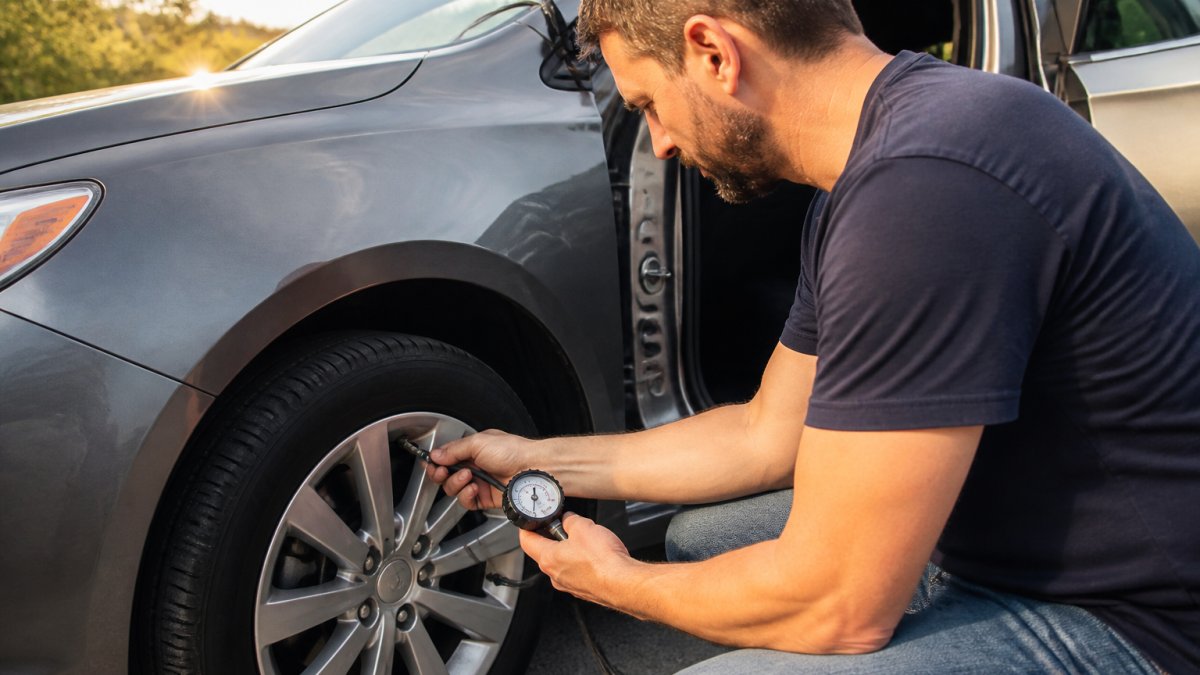
- Inspect tires for wear, cracks, or bulges. Check pressure at your driver's door jamb.
- Test lights (brake, headlights, turn signals).
- Listen for unusual sounds (grinding, squealing, knocking). Note when they occur.
Seasonal maintenance tasks
Seasonal checks:
- Spring: Test air conditioning and inspect wiper blades.
- Summer: Check battery terminals and cooling system.
- Fall: Test heating system and verify lights work.
- Winter: Check battery and brake pads.
How to Spot a Dishonest Mechanic
Some mechanics use high-pressure tactics to sell unnecessary repairs. Learning red flags and vetting shops before you need them prevents problems.
Red flags during the estimate process
Watch for these warning signs:
- Vague descriptions. "Your brakes need work" is vague; "front pads worn to 2mm, below the 4mm minimum" is specific.
- Pressure to decide immediately. Legitimate repairs can wait 24 hours.
- Expensive parts only. Ask about aftermarket alternatives to OEM parts.
- Bundling repairs. Ask for itemized details on each repair.
- Refusing to show the problem. A good mechanic shows you the worn part, leak, or damage.
Negotiation scripts to use at the shop
You don't need to be confrontational. These phrases are professional and protect you:
When you want clarification:
- "Can you walk me through exactly what you found and why it needs to be fixed now versus later?"
- "I'd like to see the part you're recommending I replace. Can you show me the wear or damage?"
- "Is this repair required for safety, or is it recommended for longevity?"
When you want options:
- "What are my choices for parts, OEM, aftermarket, or rebuilt? What's the difference in cost and warranty?"
- "If I don't do this repair today, what's the realistic timeline before it becomes urgent?"
When you want time to decide:
- "I'd like to get a second opinion on this before I authorize it. Can you email me the written estimate so I can take it with me?"
- "Can you hold this estimate for 48 hours while I think about it?"
When the bill surprises you:
- "This is higher than I expected. Can you break down where the cost is coming from?"
- "Before you started work, we discussed $X. This estimate is $Y. What changed?"
Vetting repair shops before you need them
Research shops before you need them. Read actual reviews, not just ratings.
Check for certifications: ASE (Automotive Service Excellence) certification shows the shop invests in qualified staff who've passed standardized tests.
Ask about the Right to Repair: Ask a shop, "Can I bring my own parts?" and "Do you work on all manufacturers?" Shops welcoming independent parts and serving all makes are typically more consumer-friendly.
Test the shop before a big repair. Schedule a simple service first to see how they treat you, explain findings, and handle pressure tactics.
Questions to ask before authorizing work
These questions separate honest shops from ones that upsell:
- "Can you show me the problem?" (They should be able to point to the exact issue.)
- "Is this repair on my manufacturer's service schedule?" (Check your owner's manual afterward.)
- "What happens if I don't do this repair right now?" (Some repairs are urgent; others can wait.)
- "What are my options for parts?" (OEM vs. aftermarket, new vs. rebuilt.)
- "Do you warranty your work?" (Reputable shops stand behind repairs for 30-90 days minimum.)
- "Can I get a written estimate before you start?" (Never authorize work without this in writing.)
Request a Written Estimate and Itemized Bill
A written estimate lists every repair, labor cost, parts cost, and total. Never authorize work without one. If a shop won't provide it, that's a red flag.
Your estimate should include repair descriptions, labor hours and rate, parts, total cost, and warranty. Ask the shop to call if they find additional problems, don't authorize "while you're in there" work without a new estimate.
Use Digital Diagnostic Tools to Verify Issues
You can access your car's computer diagnostic data yourself without special training, one of the most powerful ways to verify a mechanic's diagnosis before authorizing expensive work.
Understanding OBD-II scanners and error codes
An OBD-II scanner plugs into your car's diagnostic port (usually under the steering wheel) and reads error codes. A basic scanner costs under $50 and gives you real information before visiting a mechanic.
Error codes follow a standard format: a letter plus four digits (P0420, C0045). The letter indicates the system (P=Powertrain, C=Chassis, B=Body, U=Network). The first digit indicates severity (0=manufacturer-specific, 1=generic).
Using diagnostic data in negotiation
Arriving with error code information changes the dynamic. Instead of "could be spark plugs, coils, or fuel injectors, $150 to diagnose," you can ask: "I got a P0300 code.
If a mechanic's diagnosis doesn't match the code (transmission rebuild for a P0128 cooling code), ask them to explain. A good mechanic will reference additional findings; a dishonest one will dismiss the code as "just a glitch."
Where to scan your car for free
If you don't own a scanner, many auto parts stores will scan your vehicle for free:
- AutoZone locations offer free code reading at the counter. You don't need to buy anything.
- O'Reilly Auto Parts provides free scanning.
- Advance Auto Parts offers free code reading.
- NAPA Auto Parts charges a small fee but provides detailed reports.
Call ahead and ask if they offer this service. Most do. When you go in, have them print out the code report so you have documentation to bring to your mechanic.
What OBD-II scanners can't tell you
Understand the limits of DIY diagnostics. A scanner tells you what triggered a warning light, but not always why. For example:
- A P0171 code means "System Too Lean," which could be a failing oxygen sensor, a vacuum leak, a fuel pump issue, or a clogged fuel filter. The code narrows it down, but doesn't pinpoint the cause.
- A P0505 code means "Idle Control System Malfunction," but could be caused by a dozen different things.
This is why mechanics charge diagnostic fees for complex issues. They use the code as a starting point, then use experience, tools, and testing to isolate the real problem.
Advanced scanners vs. basic ones: A $40 basic scanner reads codes and clears them.
Know When to Get a Second Opinion
If a mechanic recommends expensive repairs, get a second opinion before authorizing work.
A second opinion is especially important if:
- The repair costs over five hundred dollars
- The shop recommends multiple major repairs at once
- You're unfamiliar with the shop
- Something feels off about the explanation
Getting a second opinion takes a few hours but can save you hundreds of dollars. Two mechanics might disagree on the urgency or the approach, but they shouldn't disagree on whether a problem exists.
When you get a second opinion, bring your written estimate from the first shop. The second mechanic can review it and give you their assessment.
Protecting yourself from unnecessary car repairs comes down to three things: knowing what maintenance your car actually needs, asking the right questions, and verifying repair claims before you authorize work. Advance Automotive helps vehicle owners in your area through transparent diagnostics and honest repair recommendations. When you're ready to get your vehicle checked, understanding manufacturer service intervals from your owner's manual gives you the baseline. Then schedule service with a shop that shows you the problem, provides written estimates, and welcomes your questions. That's how you avoid unnecessary car repairs and keep your vehicle safe and dependable.
Frequently Asked Questions
What are the most common unnecessary car repairs to avoid?
Shops often recommend flushing transmission fluid, fuel injector cleaning, and engine flushes when they're not needed yet. Many vehicles don't require these services until 100,000+ miles. Check your owner's manual for manufacturer guidance on what's actually required at your mileage. Unnecessary brake pad replacement and air filter changes before they're clogged are also common upsells. The key is following your vehicle's service intervals, not the shop's timeline.
How can I tell if a mechanic is recommending unnecessary work?
Honest mechanics explain WHY a repair is needed and show you the problem. Dishonest ones pressure you into decisions without documentation. Red flags include vague estimates, refusal to provide written quotes, pushing expensive repairs without diagnostic evidence, and dismissing your questions. Ask for a diagnostic fee upfront, request photos of the issue, and get everything in writing. If something feels rushed or unclear, get a second opinion before authorizing work.
How does following the owner's manual save money on car repairs?
Your owner's manual specifies exact service intervals based on manufacturer testing and real-world conditions. Following these prevents premature wear and unexpected repairs. Many unnecessary services are sold before they're due. By sticking to the manual's schedule for oil changes, fluid levels, tire rotation, and filter replacements, you maintain vehicle reliability and avoid costly emergency repairs. This also protects your warranty coverage and resale value.
What should I ask a mechanic before authorizing repairs?
Always ask: Is this repair urgent or preventative? What happens if I wait? Do you have a written estimate? Can you show me photos of the problem? Do you use authorized or aftermarket parts, and what's the warranty? Request an itemized bill listing labor hours and parts. Ask about diagnostic fees and whether they're applied to the repair cost. Get authorization for any work exceeding your estimate by more than 10%, and confirm the timeline before dropping off your vehicle.